
The Wood-Fired Blog
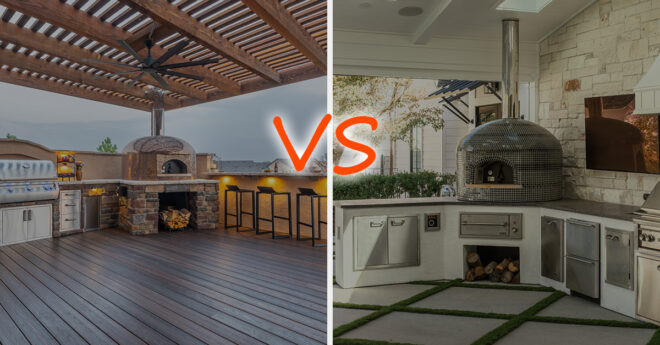
Two Outdoor Kitchen Design Concepts with a Forno Bravo Oven
Feb 17, 2026In this next installment, we’ll explore key design principles to guide you in creating a space that’s stylish. Here they are. Complementary This is when you choose oven colors that match the design of the oven’s surroundings. For example, take a look at the Vesuvio below. The oven’s copper tile color complements the deck, pergola, and house. Here’s another one where the customer has a white Napolino on a white background. Contrasting This is when the color of your oven contrasts with... Read More
Lighting Principles for Outdoor Kitchens
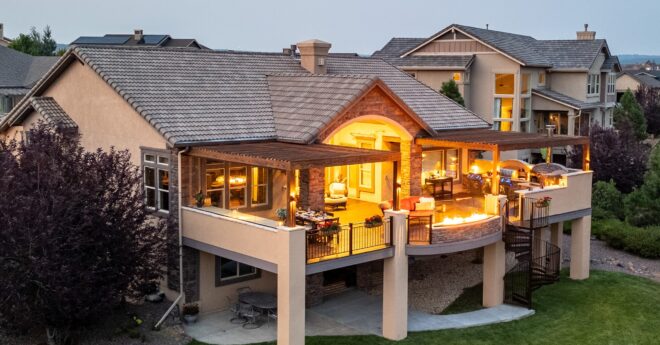
Feb 13, 2026Lighting design is a “silent” technique. Think about a beautiful scene in a film. The audience doesn’t consciously register the soft light on the actors or the warm glow in the background. They just feel the mood. The same principle applies to your outdoor kitchen. When the lighting is well-designed, the space feels inviting and intentional without calling attention to the fixtures themselves. We’re here to share three simple principles... Read More
How To Use a Forno Bravo Oven (Wood Only)
Jan 27, 2026TLDR: Start a fire in the middle of the oven. Once the dome and floor are “charged”, push the flame to the side. Check the floor temperature. When it’s hot enough, bake your pizza. — If you think this article is underwhelming because of how short it is, that’s the point, because our ovens are that easy to use. Here are the steps: Build a fire in the middle of... Read More
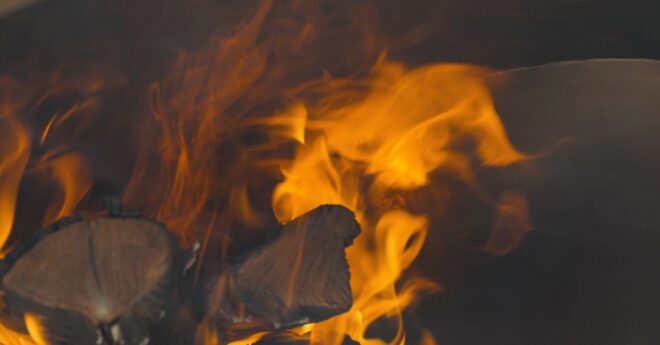
How To Let Your Oven Fire Burn Faster After a Bake
Jan 27, 2026TLDR: Move the flame closer to the mouth of the oven to feed it with more oxygen. Let’s say you’ve finished baking your last pizza, but you still have a lot of fire left on the side of the oven. If you want to speed up the rate at which it burns, simply move the fire closer to the mouth of the oven with a rake or shovel to give... Read More
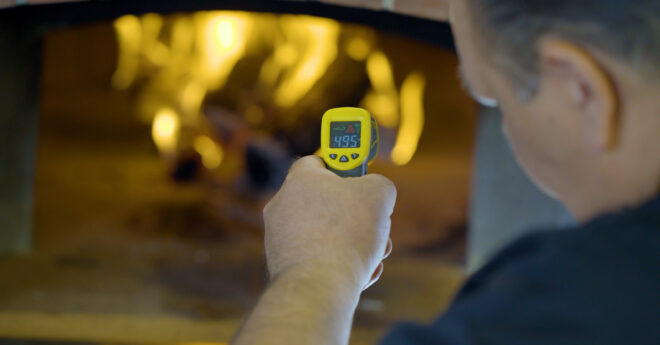
How to Reheat Your Pizza Oven Floor
Jan 27, 2026TLDR: Spread the coals around the deck to quickly to recharge your floor. Let’s say you’re making pizzas and there are a few minutes of downtime between bakes. To keep the floor hot, simply use an oven shovel or a rake to spread the coals around the oven floor to recharge the deck. That way, when the next pie is ready, you’ll have a hot floor to bake a delicious... Read More
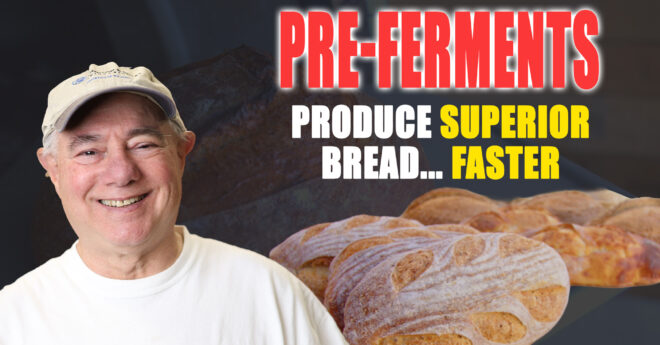
3 Types of Preferments and Why You Should Use Them
Jan 27, 2026TLDR:Preferments are partially fermented dough added to a final mix to boost flavor, texture, and performance in less time. Poolish is wet, biga is firm, and sourdough starter uses wild yeast, but all work by adding aged dough to fresh dough. Using a preferment lets bakers achieve long fermentation flavor on a same day schedule. — Twenty or thirty years ago, most home bakers had never heard the term preferment.... Read More
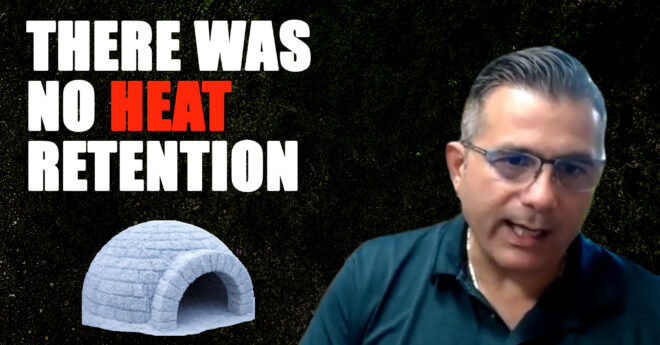
He Tore Down His Oven And Built Another One
Jan 27, 2026Domenick L., our customer, planned to put in a pool in his backyard, but at the last minute he decided against it. Spending around $100,000 on a pool no longer made sense, so the decision was made to install a pizza oven instead. The first oven was a kit, though the exact brand was unknown. It was not insulated, and there was no awareness at the time that an oven... Read More

Why Fermented Foods Are Healthy
Jan 26, 2026TLDR:Fermentation breaks food down before we eat it, making it easier to digest, more nutritious, and better for gut health. It boosts flavor while helping our bodies absorb energy and nutrients more efficiently, which supports overall health. — Fermentation is one of the oldest food processes in the world, and it plays a much bigger role than just creating flavor. At its core, fermentation is a natural process where microorganisms... Read More
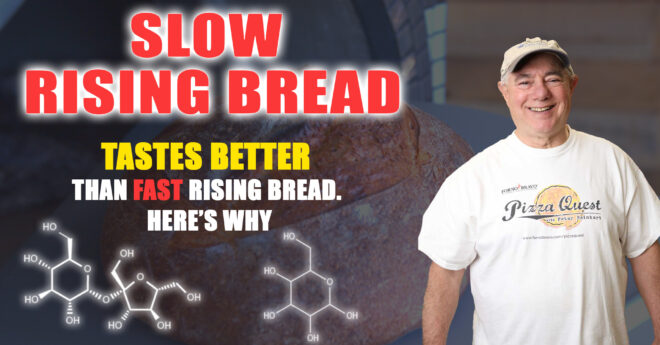
The Science Behind Why Slowly Fermented Bread Tastes Better
Jan 26, 2026TLDR; Slow rising bread tastes better because time allows enzymes to break starch into sugars. Those sugars feed yeast, create deeper flavor, and improve crust and aroma. Fast rising bread skips this process, so it rises quickly but tastes flatter. — One of the biggest breakthroughs I had as a bread baker was realizing that slow rising bread almost always tastes better than fast rising bread. Once I noticed this... Read More